
How to choose a drywall contractor in Israel: 12 checks before you hire
A practical homeowner checklist for drywall partitions, ceilings and acoustic work: portfolio evidence, written scope, specialist trades, hidden stages, payments and handover.
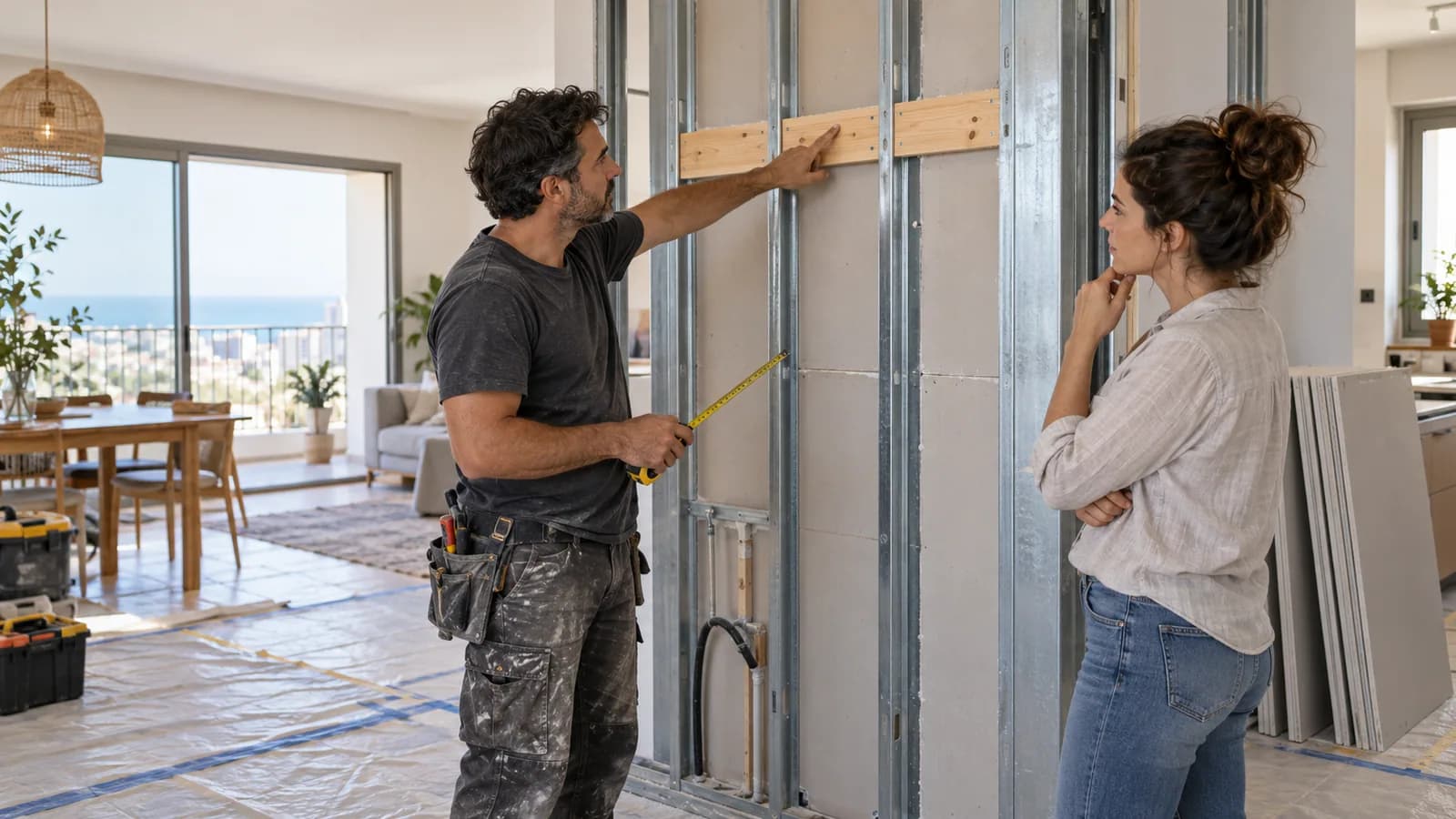
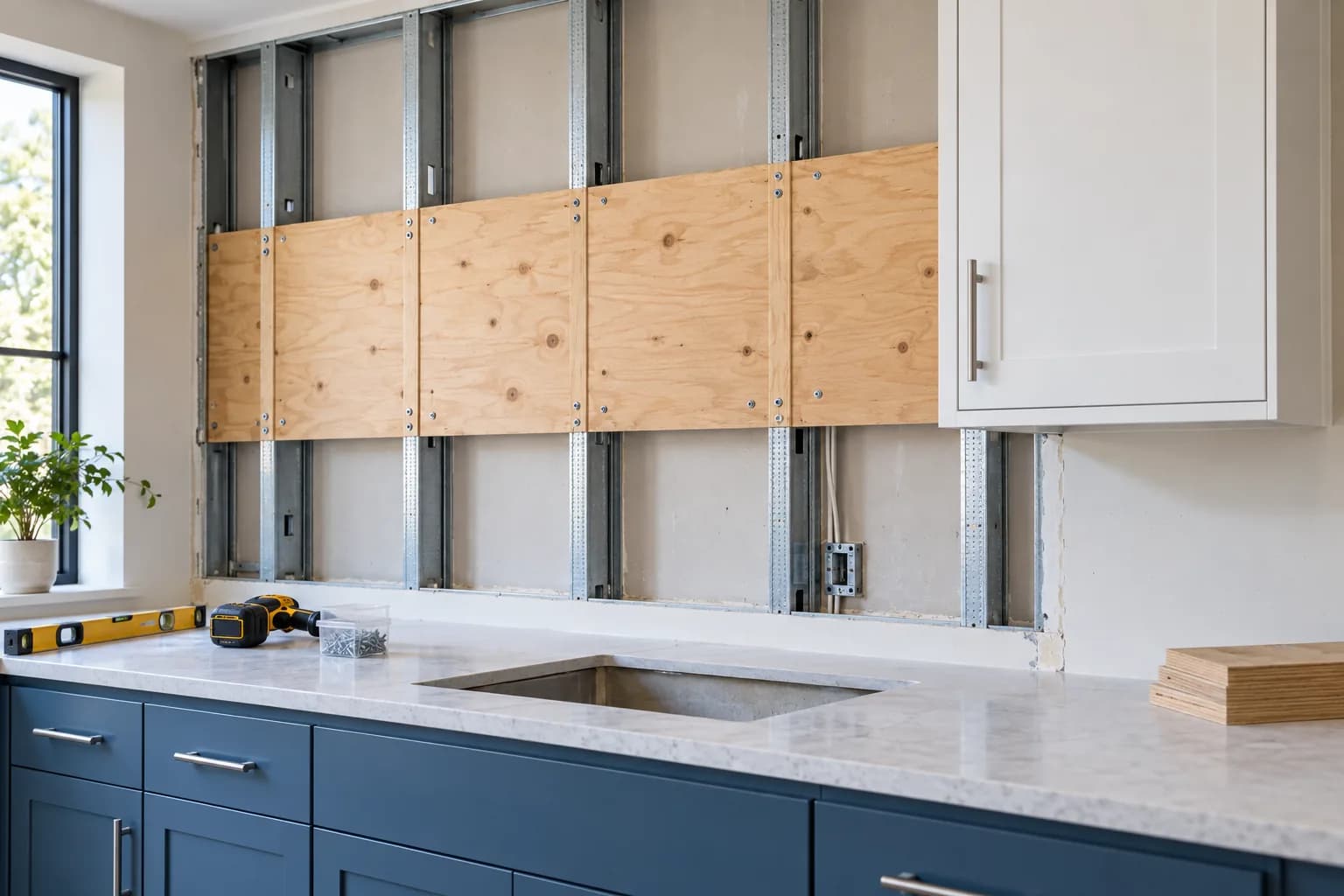
A photograph of a finished wall cannot show how the frame is fixed, where cables run or how joints were treated. Choosing a drywall contractor in Israel is easier when you examine the proposed process and the result you can inspect. This guide gives a consistent set of questions for owners of apartments and small offices. It helps you describe one job to several people, compare quotations and agree on a handover standard. A price based on photographs remains preliminary until the substrate, access, height, lighting and concealed services are checked. A straight partition, a serviced ceiling and a noise reduction system also require different skills. Use the steps below as a working conversation rather than a score based only on the lowest number.
1. Define the outcome before contacting a contractor
Write down the intended result: a quieter room, a flat ceiling, a TV niche or a paint-ready wall. Add the city, dimensions, acceptable loss of height, door openings, furniture loads and equipment that must remain accessible. An inspiration photograph communicates appearance but not construction. For acoustics, describe the source of sound: reverberation inside the room and noise from neighbours are different problems. Give every candidate the same short brief. Otherwise you will be comparing their assumptions rather than their work. The photo and measurement guide shows what to send before the first call.
2. Ask for evidence of comparable work in progress
For a partition, request photographs of the layout, metal frame, backing pieces and closed surface. For a ceiling, look for suspension details, service routes, access panels and completed lighting. One polished photograph does not show whether the assembly was suitable or even whether the same team built it. Ask who did the work and what changed after measuring. A useful answer describes limitations as well as the final appearance. A contractor should also respect a former customer's privacy. Published photos should not expose addresses, personal papers or private rooms without permission. These checks let you assess the person who will actually work in your home.

3. Notice what is inspected on the visit
A capable tradesperson asks about the existing substrate, moisture, service access, ceiling height, future fixings and how the room will be used. For a new wall, junctions and the door matter; for a ceiling, the suspension and lighting plan matter. Mark uncertain areas together on a simple sketch. If an old lining hides pipes or damage, have the quote distinguish measured work from assumptions. A confident fixed promise without checking the base is a weak sign. It is reasonable for the contractor to say that one detail can only be priced after opening a small inspection area. That is more useful than pretending the unknown cannot affect cost.
4. Compare the complete assembly and materials
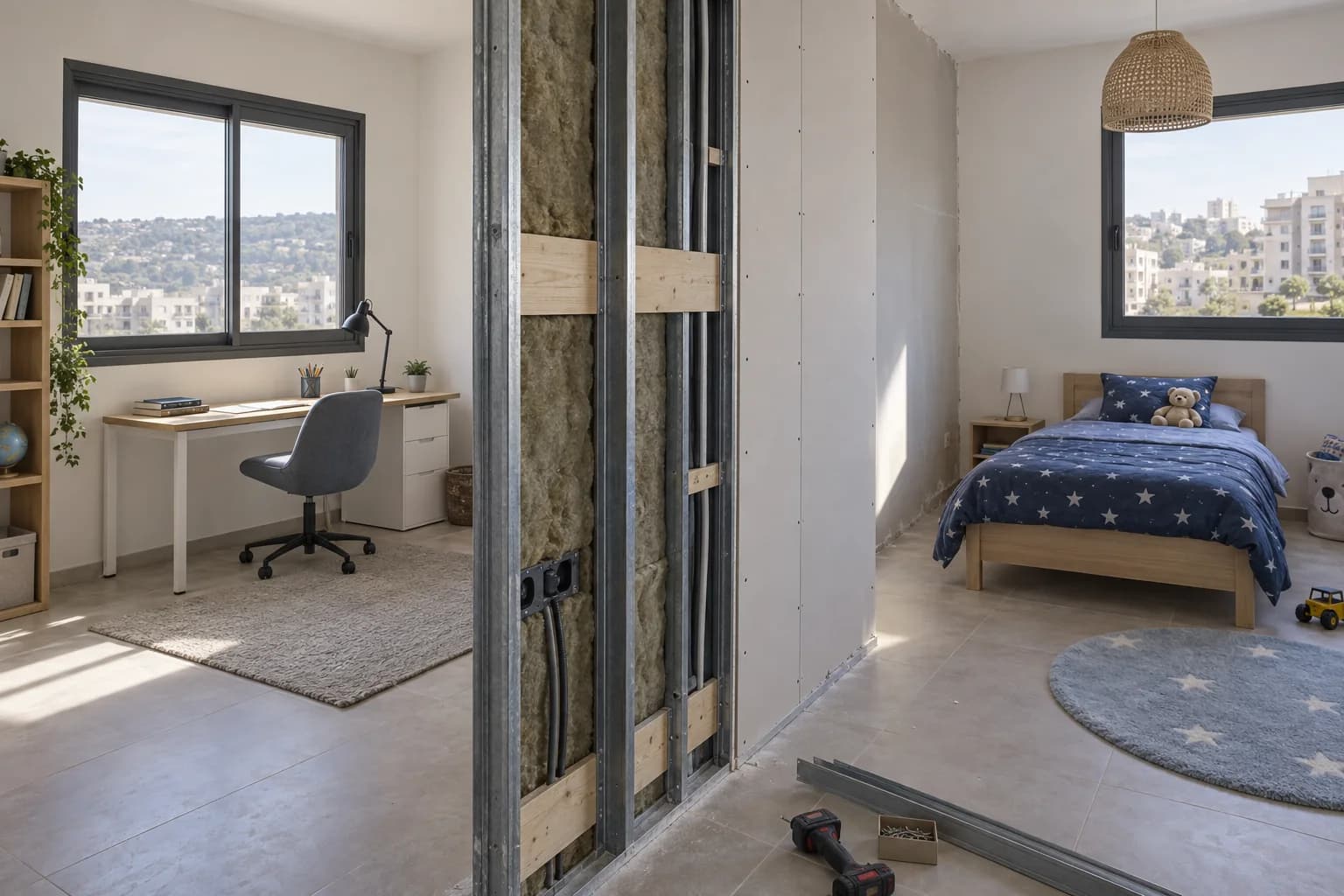
Ask for profile arrangement, board type and thickness, number of layers, infill, fixings, joint treatment and final finish. A wet room needs a suitable moisture control system, not merely a differently coloured board. A quieter partition also depends on the door, perimeter, outlets and flanking paths. The board selection guide explains useful distinctions. If a component is substituted, ask what changes in strength, thickness, serviceability and price. A written specification makes the delivered materials checkable before the frame is hidden and prevents a vague label such as “premium boards” from carrying the whole agreement.
5. Assign neighbouring trades clearly
Ask who will connect electricity, alter air conditioning, handle plumbing, install the door and paint. A drywall contractor may prepare openings and coordinate dimensions without being responsible for every specialist system. Structural concerns, persistent water and electrical safety need the appropriate qualified professional. Record who supplies equipment, who tests it before the wall is closed and who returns if an opening changes. “Turnkey” is only useful if it lists these responsibilities. A gap between trades can delay an otherwise good installation. A short coordination note avoids discovering on the final day that no one was booked to connect the light or fit the chosen door.
6. Read the quotation as a scope of work
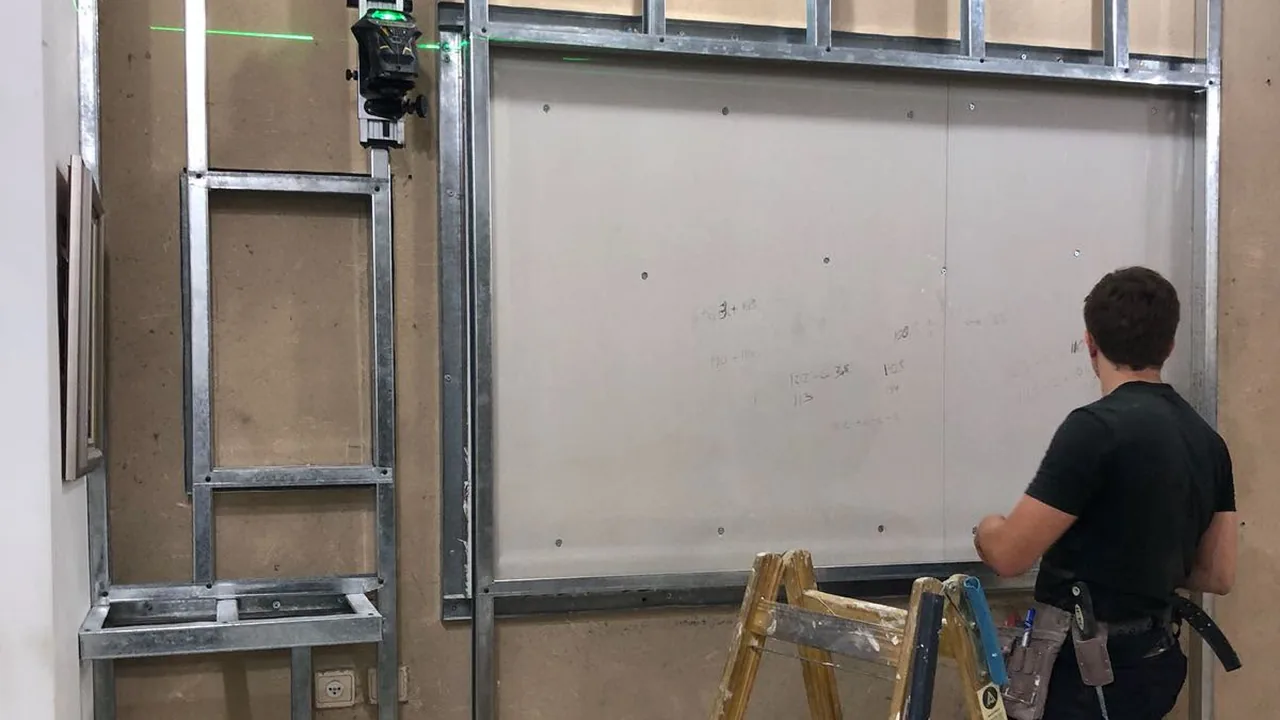
Look for quantities and units: square metres of construction, linear metres of a box, and separately counted access panels, openings and demolition. Check whether delivery, floor protection, waste removal, skim coat, primer and paint are included. Totals without matching scope cannot be compared. A cheap partition line might omit a door opening or backing for a heavy screen. The quotation comparison guide explores this in more detail. Ask how VAT and payment terms will appear on the final quote. Separate essential work from optional upgrades, and do not treat an undefined allowance as a detailed price.
7. Test the schedule against dependencies
A promise of three days is incomplete if an electrician has not agreed the cable routes or joint compound needs drying time. Ask for the sequence: protection, setting out, frame, services, hidden-work review, boards, joints, drying, primer and paint. In an occupied flat, agree on dusty hours, room access and dry storage for boards. Name the person who reports delays and the trades that must attend before closing. The work sequence guide lists practical checkpoints. Link progress payments to visible stages rather than a calendar date alone.
8. Inspect concealed work before boarding
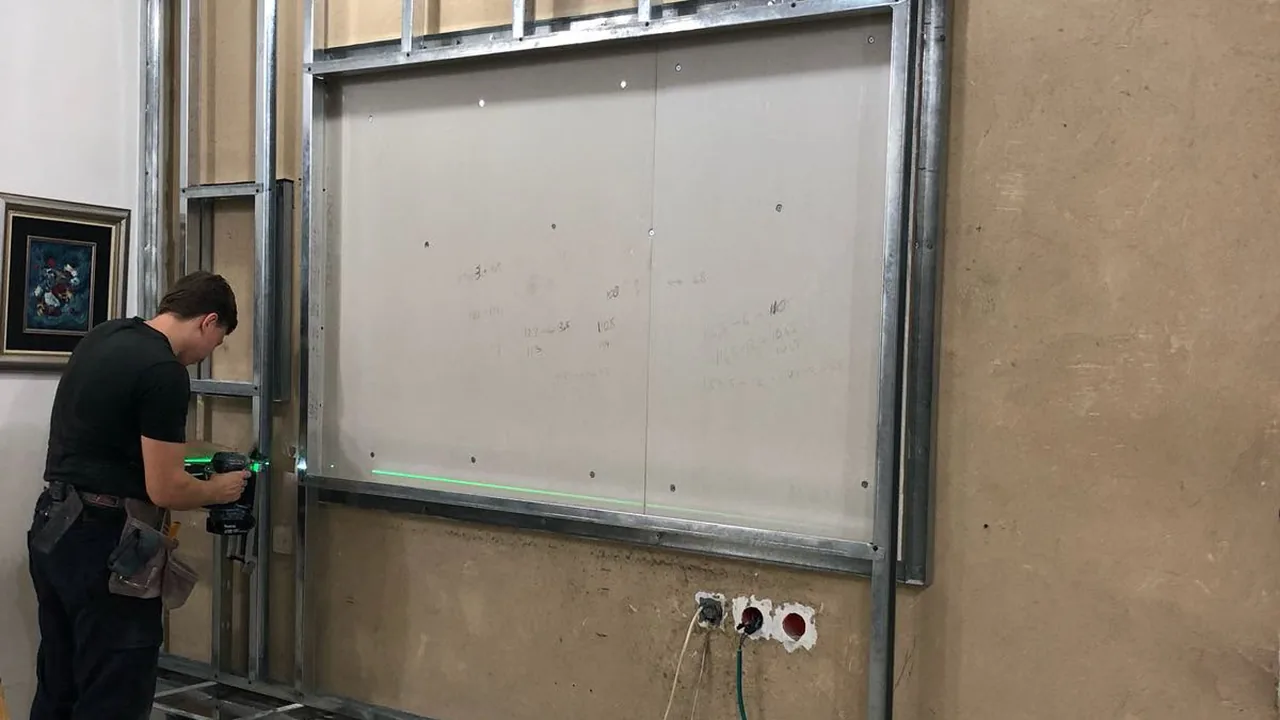
Arrange a stop before the frame is covered. You can then see fixings to the substrate, backing for shelves, service routes and insulation. Request photographs labelled by room, a record of cable positions and agreed access panel sizes. For acoustic work, examine perimeter continuity and service penetrations. Once the board is installed, checking omissions may require destructive opening. The homeowner does not need to engineer the frame personally. The contractor should show how it follows the agreed drawing and answer questions while changes are still easy. Keep these images with the final quotation for maintenance and future alterations.
9. Write down payment and change rules
Even a small job benefits from a short written record of scope, materials, price, dates, payment stages and change approval. If opening an old ceiling reveals moisture or damaged support, photograph the finding, discuss options, agree the new amount and only then add the work. An advance for materials should relate to a list and delivery plan rather than an indefinite promise. Keep messages and stage photographs. Define how defects will be reported and corrected. The purpose is not bureaucracy; it is to make a decision verifiable while everyone still remembers what was agreed and before the next layer hides it.
10. Ask specific technical questions
Ask where an LED driver can be reached, how a television fixing will be supported and what happens if the substrate is uneven. A credible specialist may present alternatives, explain consequences and say when inspection is needed. Be cautious of guaranteed noise reduction without diagnosis, refusal to name materials or pressure to decide immediately. Good manners alone cannot prove workmanship, but clear explanations let you test the proposal. Ask the contractor to restate what is included, what is excluded and which decisions require your sign-off. If those answers differ from the written quote, resolve them before ordering materials.
11. Use one comparison sheet for all candidates
Make columns for assembly, materials, services, finish, room protection, schedule, hidden-work inspection, total and exclusions. A blank cell is a question, not free labour. Add evidence of similar jobs and willingness to document concealed details. The least expensive option can be right for simple work, but you should understand why prices differ. The NikoGips calculator offers a preliminary range and a task list; it is not a substitute for the final quotation. Compare the same scope after follow-up questions rather than accepting hidden omissions as savings.
12. Check the result in normal use
Before final payment, inspect the finish in the agreed lighting, operate the door and access panels, check future equipment access and confirm clean-up. Record each defect by place, expected correction and deadline, then revisit it. For paint-ready work, joints and corners must match the specified level of finish. For acoustics, assess the original problem and agreed limits rather than expecting absolute silence. The handover checklist breaks this into stages. Selecting a good contractor ends with a checkable result, not simply a signed price line.
Questions
How many quotes should I compare?
Two or three proposals based on the same written brief are usually useful.
Are reviews enough?
Use them as context, then ask to see the process and scope of comparable jobs.
Which photographs matter most?
The frame, backing, services and stage before closing reveal the hidden work.
Can I get a fixed price from photos?
Simple jobs may be estimated, but complex or concealed conditions usually need a visit.
Who is responsible for wiring?
Assign the appropriate qualified professional before boards close the area.
What belongs in a quote?
Quantities, units, assembly, finish, exclusions, VAT, dates and change rules.
When should the frame be photographed?
After the hidden details are checked and before boarding.
How do I compare acoustic proposals?
Describe the noise source and compare the complete system, including doors and perimeter.
When do I accept extra work?
After its cause, scope, price and timing have been agreed in writing.
Does the calculator replace a contractor's quote?
No. It helps prepare a budget and questions for inspection.
Relevant services
Guides and practical notes

Message Nikolai on WhatsApp with photos and dimensions, or call him to discuss the next step and what is needed for an estimate.