
Peeling wall paint in Kfar Saba: repair the finish or the substrate?
Trace peeling paint in Kfar Saba to moisture, weak layers or poor adhesion before choosing skim coating, repainting or a new base.

A fresh coat cannot hold a loose layer underneath. This guide helps a Kfar Saba homeowner distinguish a small finish problem from dampness or a failing substrate and ask for a comparable repair quote. It is general guidance, not a diagnosis of a particular wall.
1. Identify the layer that failed
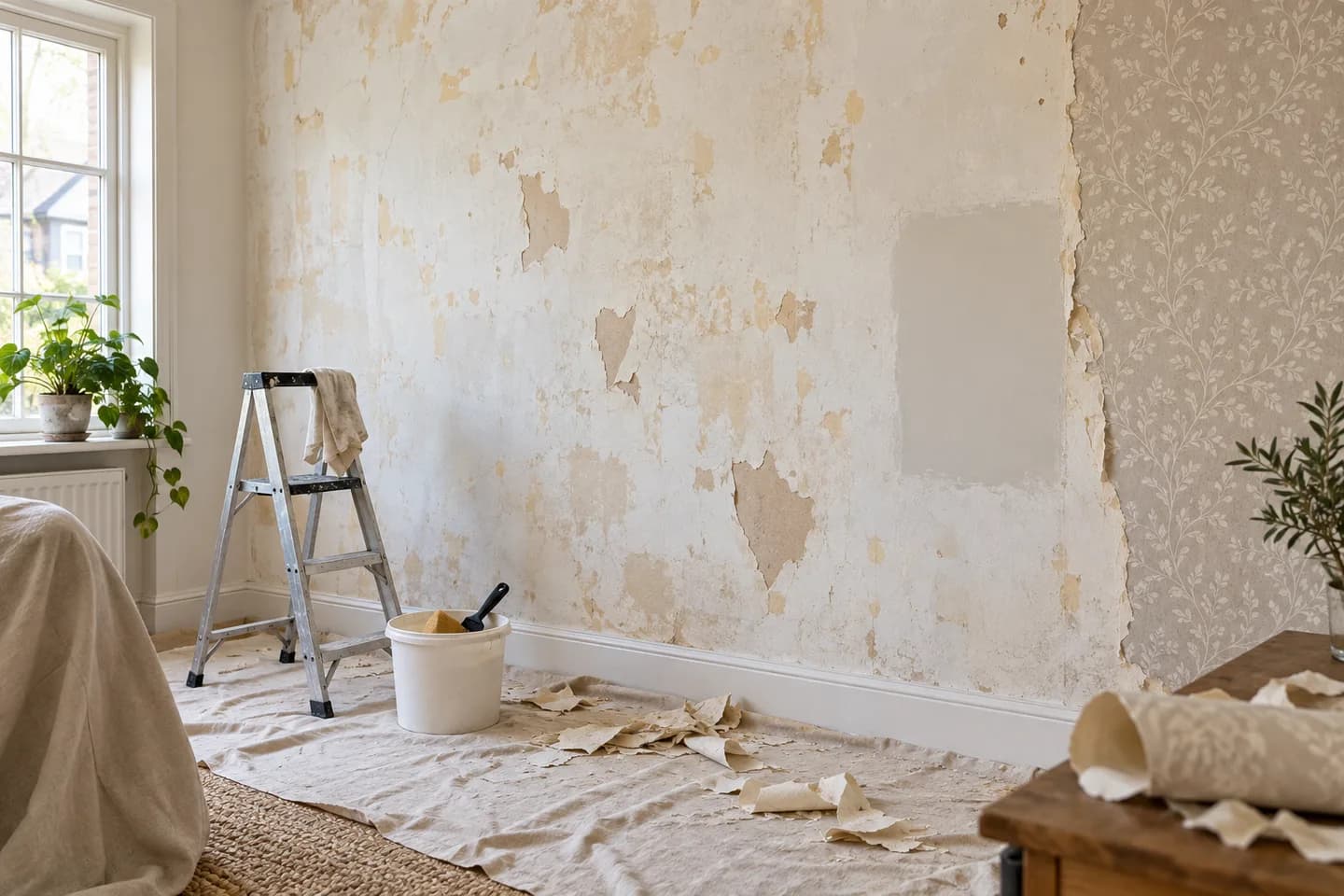
Check whether only paint is lifting, paint and filler are detaching together, or old plaster has become weak. On drywall, the facing paper might be torn. Photograph the whole wall and a close view with scale. Note when it was last painted and whether the defect is growing.
2. Rule out an active moisture source
Bubbles by a window, air conditioner, plumbing wall or floor may need investigation before redecorating. Ask whether the mark follows rain, cooling or a previous leak. Surface dryness does not establish that the cavity is dry. The guide to drywall after a leak explains the same order of work.
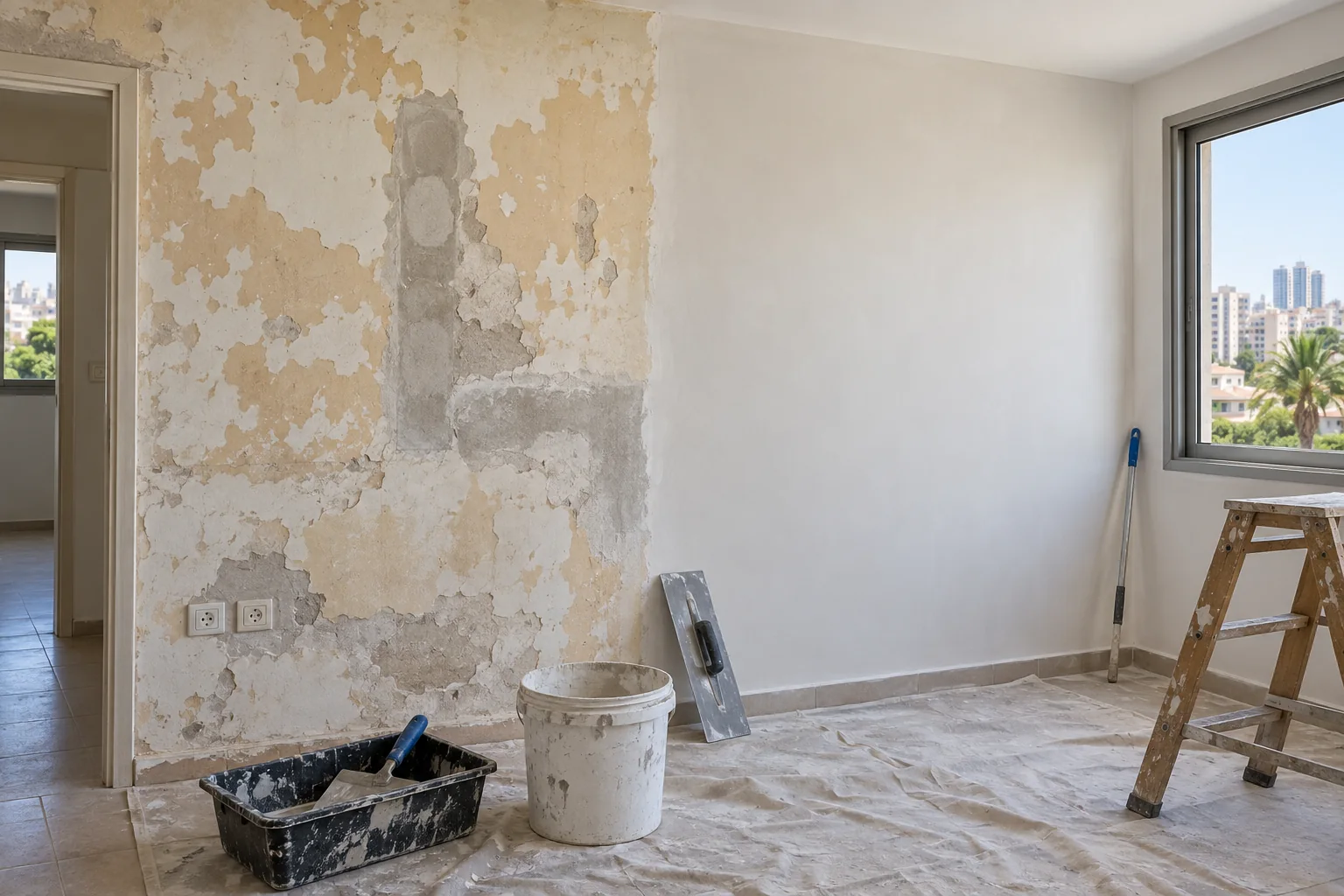
3. Remove loose material to a sound edge
New filler bonded to failing paint will fail with it. The repair starts by finding a stable boundary, cleaning dust and assessing the substrate. British Gypsum advises removing loose paint and damaged facing edges before choosing a repair system. The exposed weak area may be wider than the visible bubble.
4. Check adhesion before skim coating
Old glossy paint, oil or an incompatible primer can impair adhesion. Make a small trial area where the existing coating's condition is uncertain. A skim coat is not a substitute for removing peeling paint. Ask which preparation and primer suit the chosen materials.
5. Choose a local patch or a full wall finish
A sound wall with one small defect may only need a patch. Under side lighting, however, the edge of a patch can remain visible. Full skim coating creates a more uniform finish but costs more and requires more room preparation. If the entire substrate is weak, compare removal and new lining rather than repeatedly painting it. See drywall lining versus plaster.
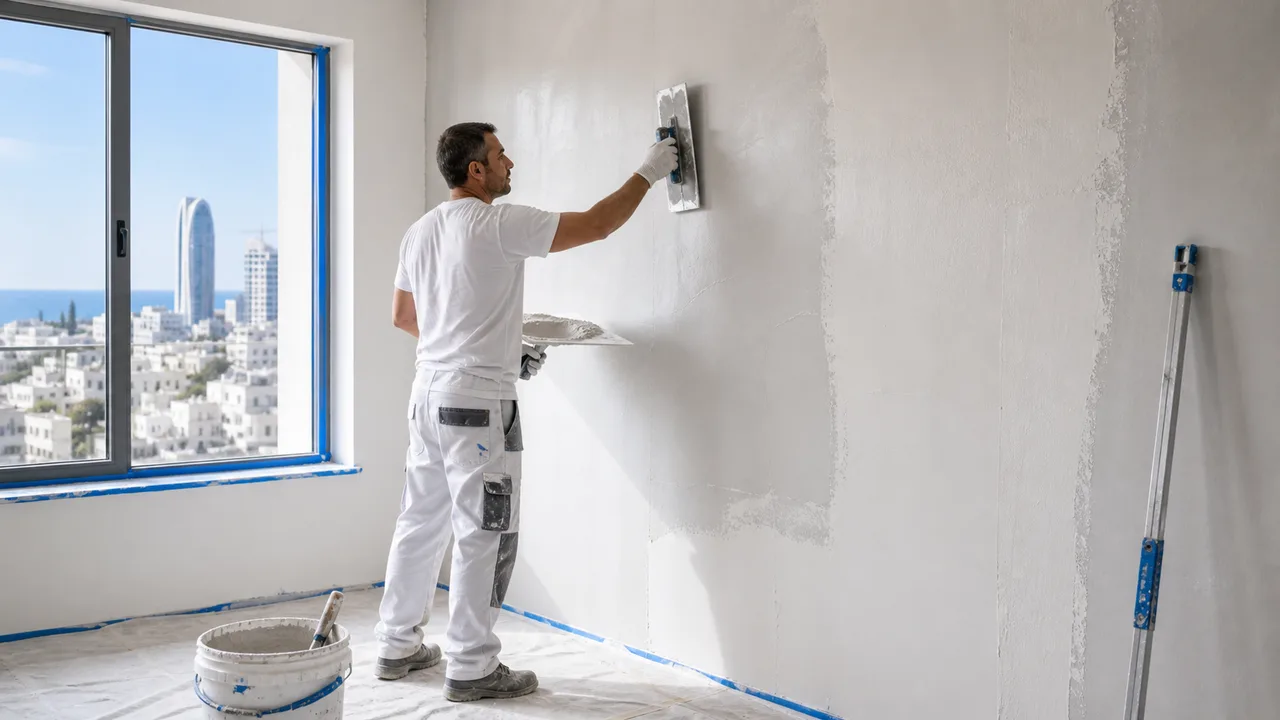
6. Allow the specified drying sequence
Cleaning, substrate repair, primer, filler, sanding and paint each have a place. Drying depends on product, layer thickness and room conditions, so a fixed next-day promise may not be realistic. Agree on the product system and wait for the prescribed condition before painting.
7. Read the Kfar Saba quote line by line
A tiny high or awkward patch can take longer than a clear larger wall. Compare removal, substrate repair, filling, priming, paint, furniture protection, cleanup and tax. State what happens if stripping exposes a larger defect. The calculator is a starting point, not an inspection of old plaster.
8. Protect furniture and plan dust
Move textiles and electronics away from sanding, agree on floor covering and ventilation, and ask what cleanup includes. If sockets, trim or shelving must be removed, name the person who reinstalls them. Avoid pushing a cabinet directly against a still-drying wall.
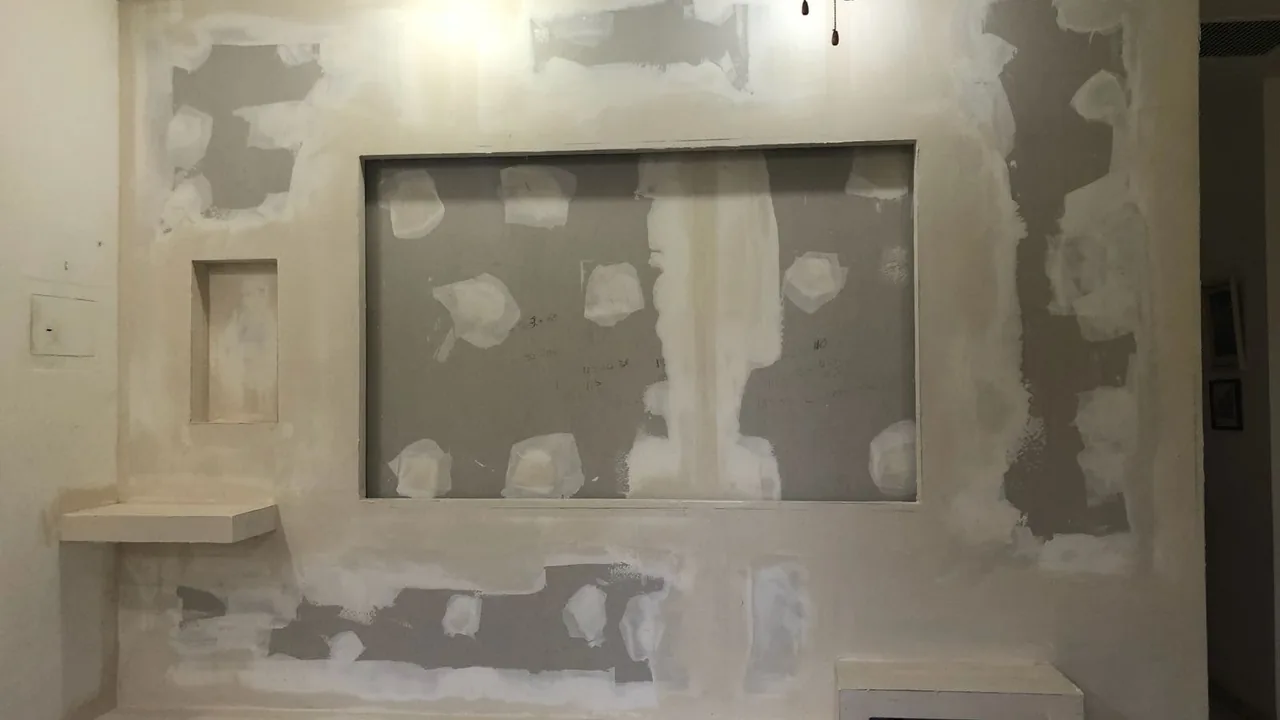
9. Inspect the dry finish
Look in normal room light and the side light the wall receives in daily use. Check for fresh bubbles, visible patch edges, uneven paint and cracks. Record the materials used and report any returning defect with photos rather than concealing it with another coat.
10. Prepare the first message
Send wide and close photos, the peeling edge, nearby window or floor and the history of water or earlier repairs. State Kfar Saba, desired finish and whether the room stays occupied. Ask what base will remain after stripping and when the estimated scope may change. These photo instructions help.
Questions
Can you skim coat peeling paint?
The weak layer must first be removed and the base checked.
Why does paint peel again?
Possible causes include moisture, a weak substrate and unsuitable preparation.
Is a whole new wall needed?
Only if inspection shows the existing base is widely unsound or geometry requires it.
How is the price set?
The damaged area, sound substrate, access and finish boundary all matter.
Which photos help?
Show the whole room, close defect, peeling edge and nearby water sources.
Relevant services
Guides and practical notes
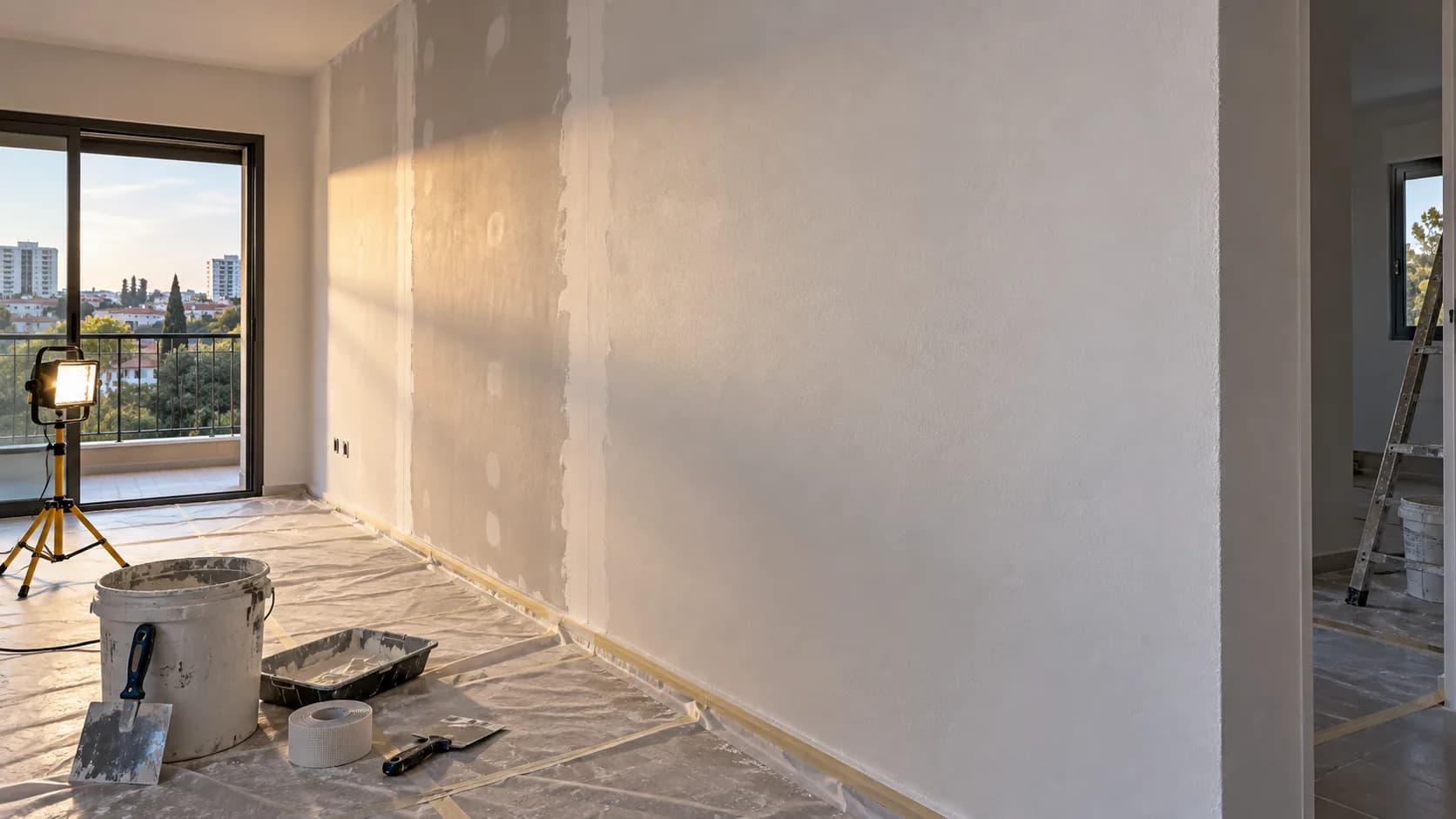
Message Nikolai on WhatsApp with photos and dimensions, or call him to discuss the next step and what is needed for an estimate.