
Renovating one room in Or Akiva while living at home: scope, access and handover
Plan surfaces, retained furniture, protected access, hidden defects, drying stages and a complete quote before renovating a single room in an occupied apartment.
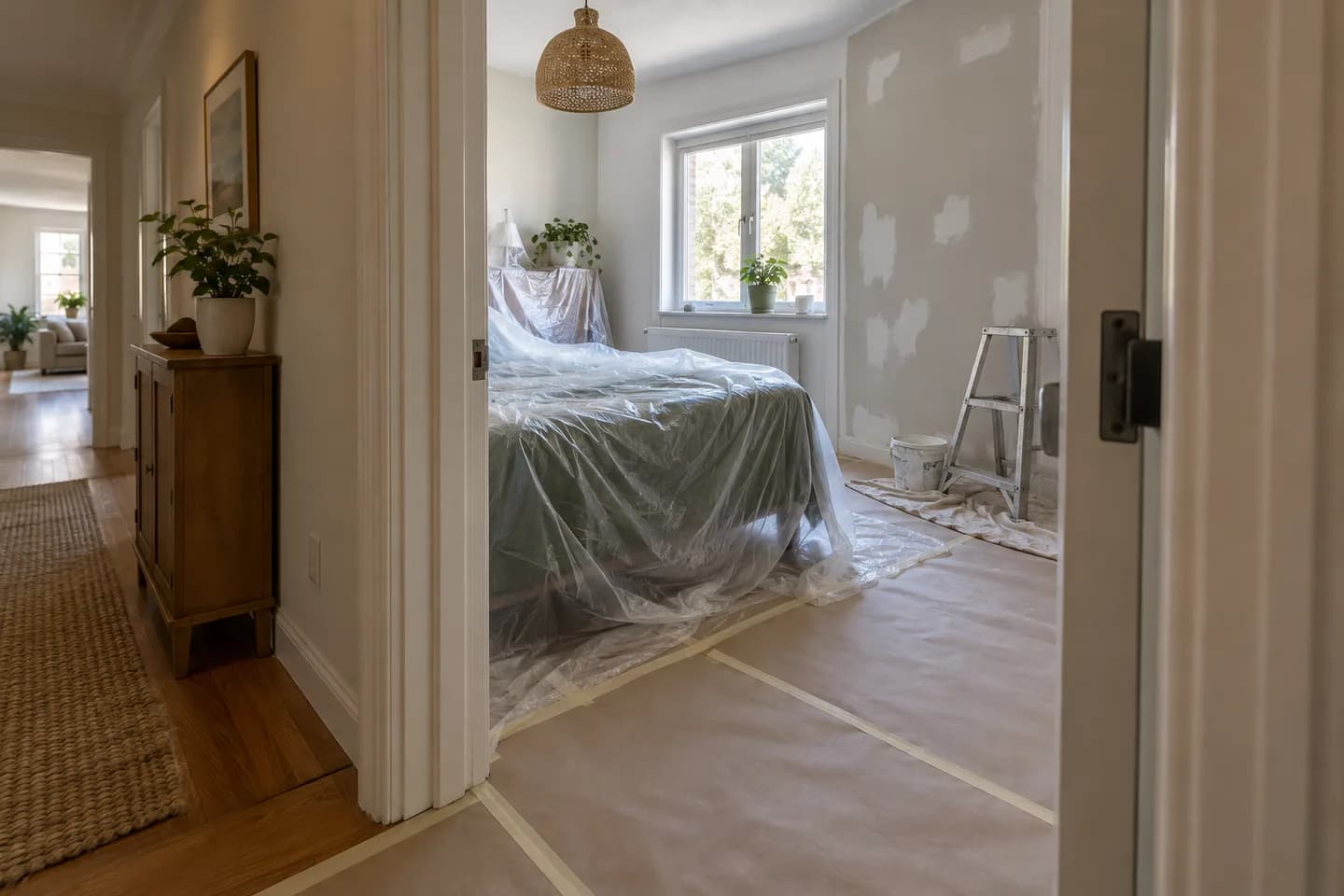
You need to refresh a bedroom or study but would prefer to remain at home. A limited renovation can be appropriate, although its practical boundary is wider than the doorway. Materials travel through the hallway, furniture needs space and preparation affects when the room can be used again. This Or Akiva guide helps define a one-room job before quotation: what changes, what stays and when decisions are required. It does not promise dust-free work or one duration for every apartment. The intended outcome is a surface schedule and an understandable plan for returning the room to use.
1. Define how the finished room must work
State the room's purpose and necessary changes. A bedroom may only need wall and ceiling repairs; a study might require a different furniture plan or partition. Do not add a wall merely because renovation is starting. Mark items returning to their original positions and those being replaced. Partial apartment renovation follows the selected scope. Nikolai's existing services do not automatically expand to plumbing, tiling, electrical installation or cleaning. Where another specialist's work affects the finish, identify its boundary and readiness. A small job still needs a clear description of the result and who supplies the related equipment.
2. Make a schedule of individual surfaces
Label walls on a simple plan and list ceiling, reveals, new construction and junctions separately. For each surface choose retain, repair locally, prepare fully or paint. Floor area does not describe wall area. Leaving a wall behind a cupboard untreated is also a decision to record. This schedule makes quotes comparable and reduces unexpected scope growth. Photographs carrying the same labels are more useful than unrelated close-ups. Mark unknown backgrounds as uncertainties and agree how any discovery changes the plan. Otherwise the phrase one room can conceal very different ideas about which surfaces should look finished afterwards.
3. Decide what happens to furniture
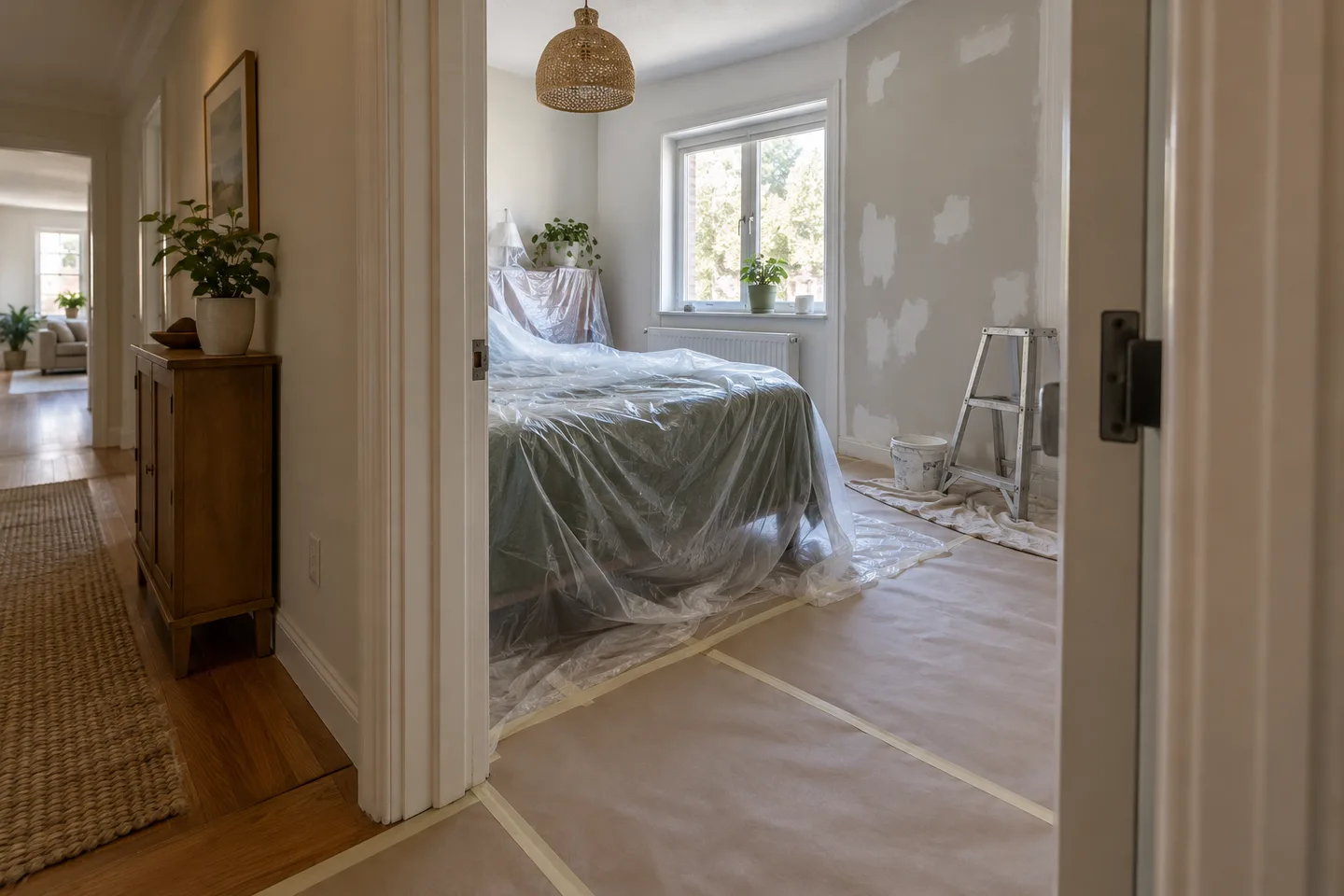
An empty room and a job around a large wardrobe have different working conditions. Agree who moves furniture, what is dismantled and where it is stored. Covering an item does not make it disappear from the working space. Avoid using a hallway needed by residents as an unplanned store. Identify valuable or delicate finishes and discuss protection. Furniture fixed to drywall needs an understood removal and reinstatement arrangement; any old screw hole is not automatically a suitable future fixing. Show the final furniture layout too. It may reveal concealed damage or required support before the newly painted wall is closed and occupied.
4. Include the route from the entrance
Show the material route, temporary storage and preparation area. Separate working and retained zones and agree protection for floors and door edges. Residents need a usable route to essential rooms. Specify where tools and packaging cannot remain at the end of the day. This is practical organisation, not a promise that a curtain completely isolates dust. Confirm lifting, entrance and working-hour conditions for the actual Or Akiva building. General assumptions about the city do not establish building rules. Include installation and removal of agreed protection in the scope so these operations have a clear owner and completion point.
| Zone | Decision before work | Record |
|---|---|---|
| Room | Furniture and surfaces | Repair scope and finish boundaries |
| Hallway | Route and retained passage | Protection and storage |
| Unknown defect | When it is checked | Pause and change approval |
| Handover | Coating readiness | Furniture return and observations |
5. Separate appearance from the cause of damage
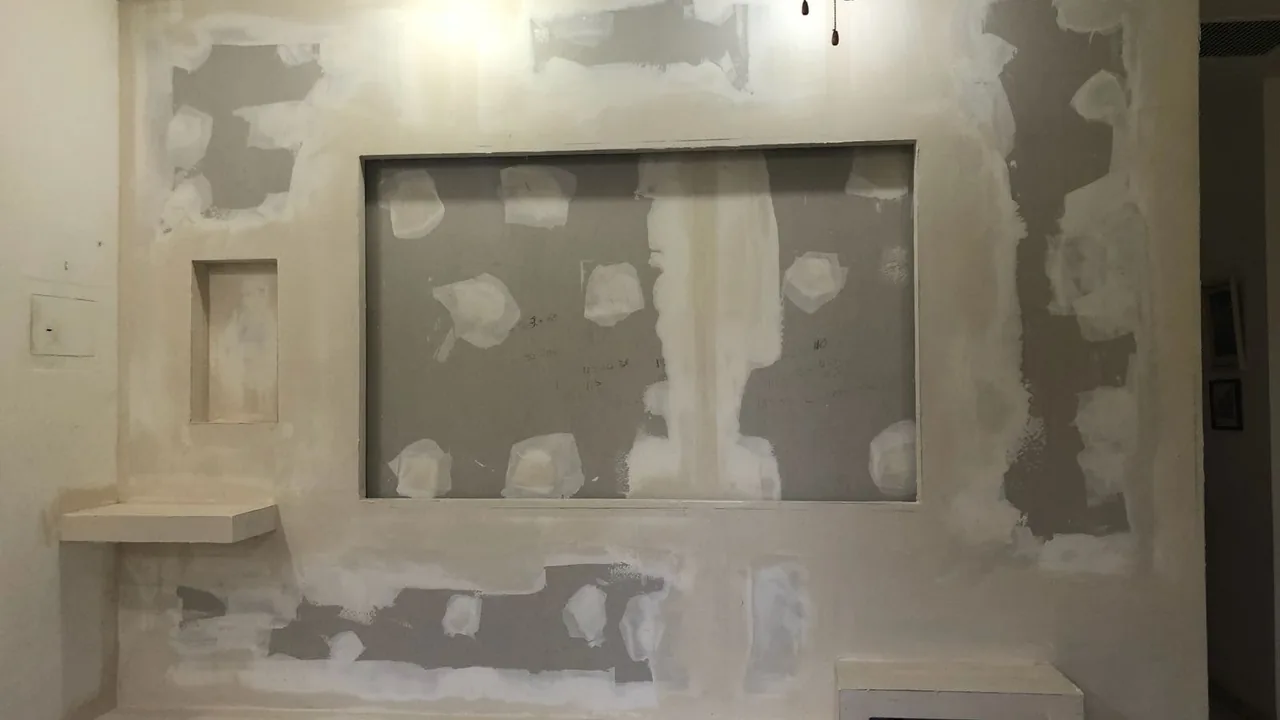
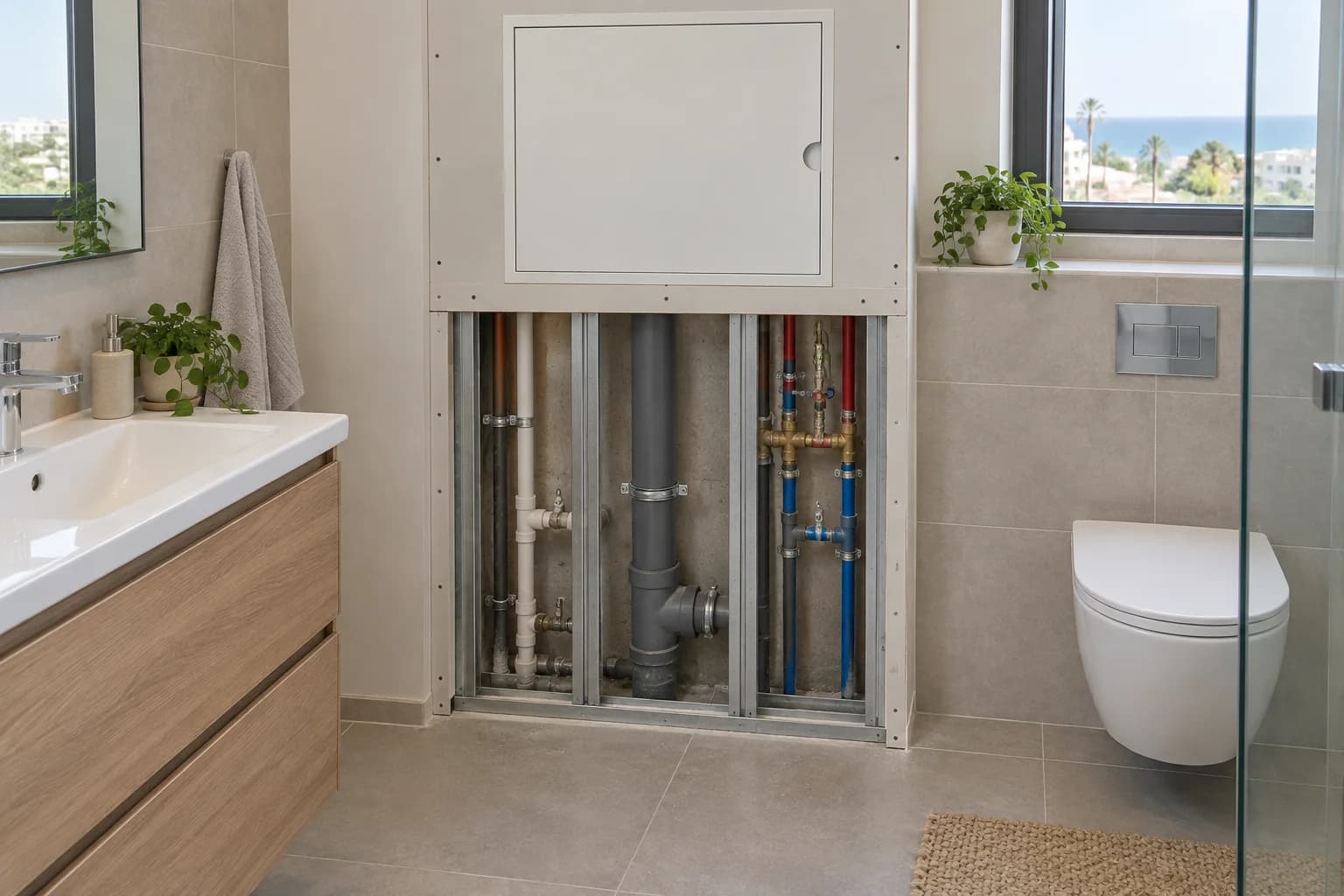
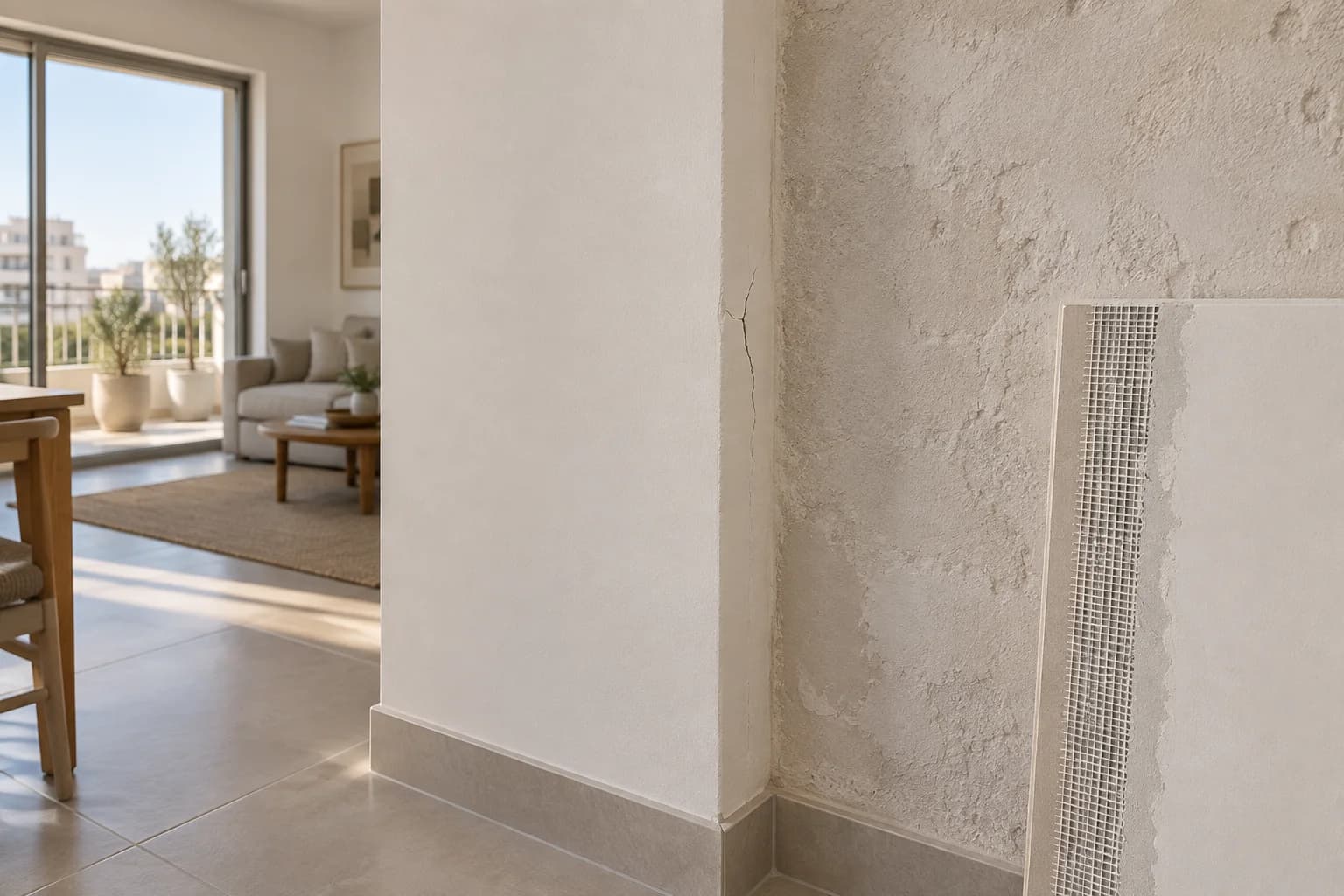
An old stain, recurring crack, crumbling background or moving lining can change the sequence. Before clean finishing, establish background suitability and whether related work is complete. Paint does not repair an active leak. Closing another trade's opening requires confirmation that access is no longer needed or that service access is provided. Where the cause remains unknown, create a decision point rather than concealing uncertainty. Drywall wall repair and repainting are different scopes. A small visible mark can require a wider check, but it does not automatically justify selling renovation of the whole apartment.
6. Set finish boundaries at corners and doors
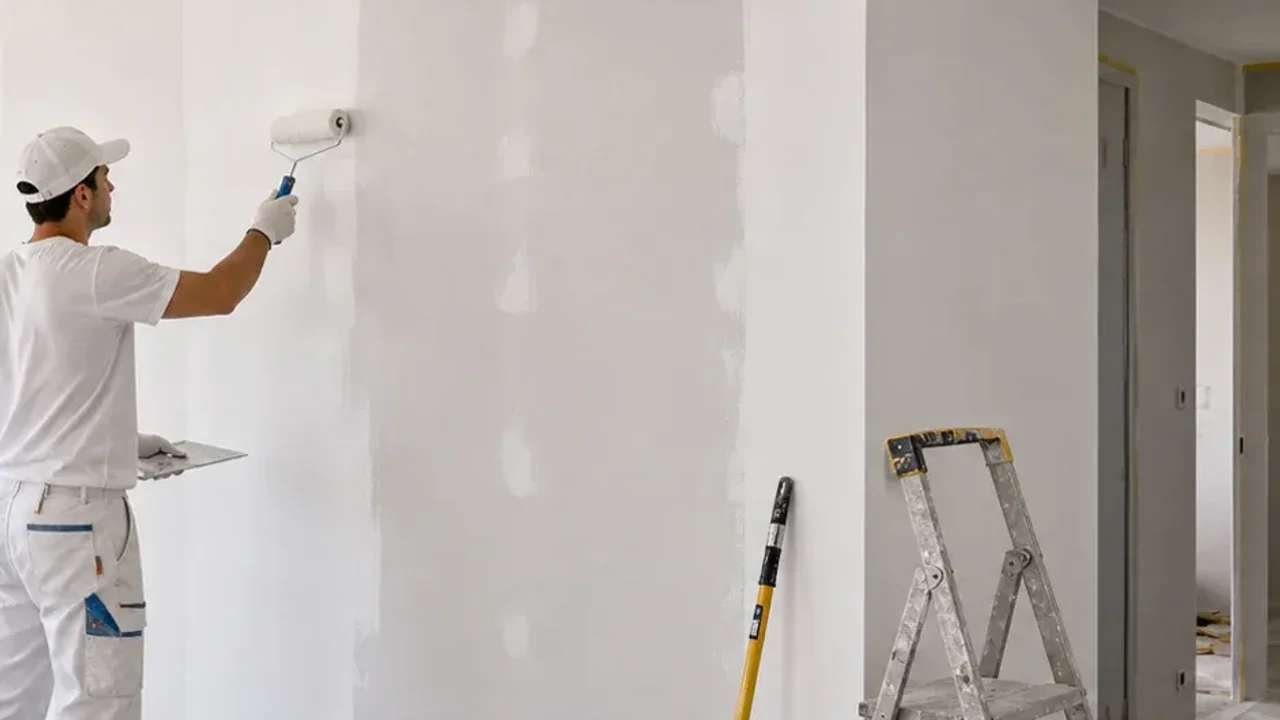
The repaired background area and the final painted plane may differ. Old paint changes over time, so a photograph cannot guarantee an invisible local colour match. Agree one wall, several walls or walls and ceiling. Mark the hallway junction, frame and reveals. Skim and painting work should end at an agreed boundary. An adjoining room's ceiling is not automatically included because a line continues through a doorway. If demanding side lighting matters, describe the expected appearance before quotation. That allows preparation to be discussed as part of the result rather than as an unexpected extra.
7. Build the sequence around readiness
Confirm scope and condition, then clear and protect the working zones. Carry out agreed removal, repair and any new construction. Check concealed decisions before closing them. Preparation, priming and painting follow the selected materials and site conditions. A desired date for returning the bed does not shorten drying requirements. Agree intermediate checks and the stage when furniture can be reinstated. The renovation sequence guide helps coordinate participants. A one-room calendar needs to include waiting between operations, not just days when an installer is present. Identify who confirms readiness after another specialist's work.
8. Measure the actual surfaces
An assumed 3 by 4 metre room at 2.7 metres high has 37.8 m² of four walls before openings and 12 m² of ceiling. This is geometry, not a final bill of quantities. Openings, reveals, extra faces and excluded surfaces follow agreed measurement rules. A room package and separate measured items may be alternative pricing methods; do not add them mechanically. Use only matching operations in the calculator. Local repair, full skim coating and painting should remain distinguishable. A low price for one operation is not the complete cost of returning a finished room to ordinary use.
9. Ask for a complete written scope
List surfaces, their condition, preparation, materials and finish. Define furniture movement, route protection, removal, repair, agreed waste, delivery and taxes separately. For possible concealed defects, specify evidence and approval before additional work: photographs, an explanation and an agreed change. Unknown causes should not disappear into a vague all-inclusive phrase. Compare offers with the same exclusions and degree of completion. If someone else reinstalls furniture or equipment, name that stage and responsibility. A clear small quote can remain useful when several related tasks occur inside the same room, instead of relying on informal assumptions about who finishes each detail.
10. Return the room according to coating readiness
After the relevant drying stage, inspect surfaces, painting boundaries and retained finishes. Check that the route is cleared, access remains available and agreed work is complete. Ask about the selected paint's requirements for furniture contact and cleaning. Being able to enter does not necessarily mean immediately pressing a wardrobe against a wall or washing it. Keep paint references, concealed-stage photos and a specific snag list. Verify fixing suitability before reinstating suspended items. The handover checklist helps record locations and agreements. Returning the room should follow its condition rather than a general impression that the last coat looks dry.
11. Send a useful Or Akiva brief
Provide address, dimensions, height, purpose and proposed changes. Photograph each wall, ceiling, damage, furniture and the route from the entrance. Explain that residents remain at home and identify essential hours and passages. Name immovable items and unfinished related work. Nikolai can then discuss an applicable limited scope and the need for a visit. The photo and measurement guide helps gather information in one pass. End with a list of what should be completed and what must remain untouched. This creates a usable basis for one room rather than an undefined apartment-wide renovation.
Questions
Can the job cover just one room?
Yes; applicable scope depends on condition, access and finish boundaries.
Must every item of furniture leave?
Not always. Access and protection need assessment, and large items can obstruct good work.
Will there be no dust?
That cannot be promised. Agree protection and organisation of retained zones beforehand.
Is a smaller room always cheaper per square metre?
No. Preparation, access and the number of operations still affect the work.
When can the wardrobe return?
When the relevant coatings and fixing background are ready under the agreed sequence.
Relevant services
Guides and practical notes
Message Nikolai on WhatsApp with photos and dimensions, or call him to discuss the next step and what is needed for an estimate.