
Drywall cracks in a new Harish apartment: diagnosis, repair and costs
Cracks and fastener pops in a new Harish apartment: document defects, distinguish a failed finish from movement, choose the repair scope and read a price by measured metre.

A fine line at a drywall joint or a visible screw head is especially frustrating in a newly painted Harish apartment. Covering it quickly may produce a smooth surface only until the next change in moisture or movement of the underlying frame. First establish where the defect occurs, whether it changes and what construction lies beneath the finish. This guide covers documentation, possible causes, opening the affected joint, repair stages, decoration and acceptance. NikoGips reference rates are taken from its published schedule on 18 October 2026. A real quote depends on inspection, cause and the area of finish to be reinstated, not simply on a photograph of one line.
1. Record the defect before filling it
Photograph the whole wall and then the crack close up with a ruler and date. Mark whether it follows a board joint, starts at a doorway, meets the ceiling or crosses an entire plane. Note whether it reopens and whether rain, cooling or door use changes its appearance. If the apartment was recently handed over, keep handover records and communication about the defect before altering the finish. This does not decide a contractual responsibility; any specific claim should be reviewed against the actual agreement with an appropriate adviser. The Harish apartment planning guide helps connect a new defect with earlier changes to rooms and services. Good records also make it easier to describe the repair area consistently to several contractors.
2. Separate a joint failure from substrate movement
A straight line at a board joint may involve tape, compound or frame movement. A diagonal from a door corner, an opening that repeatedly widens, or one face moving relative to another calls for closer investigation. A photograph alone cannot establish that a crack is harmless or that a structural member needs reinforcement. Where there is active movement, moisture, distortion of a doorway or possible structural involvement, ask a suitably qualified specialist to evaluate it before cosmetic work. A finisher can restore the surface after the cause is addressed; finishing is not a substitute for assessing the building. The existing wall renovation guide describes a similar separation between cause and finish.
3. Check moisture and service penetrations
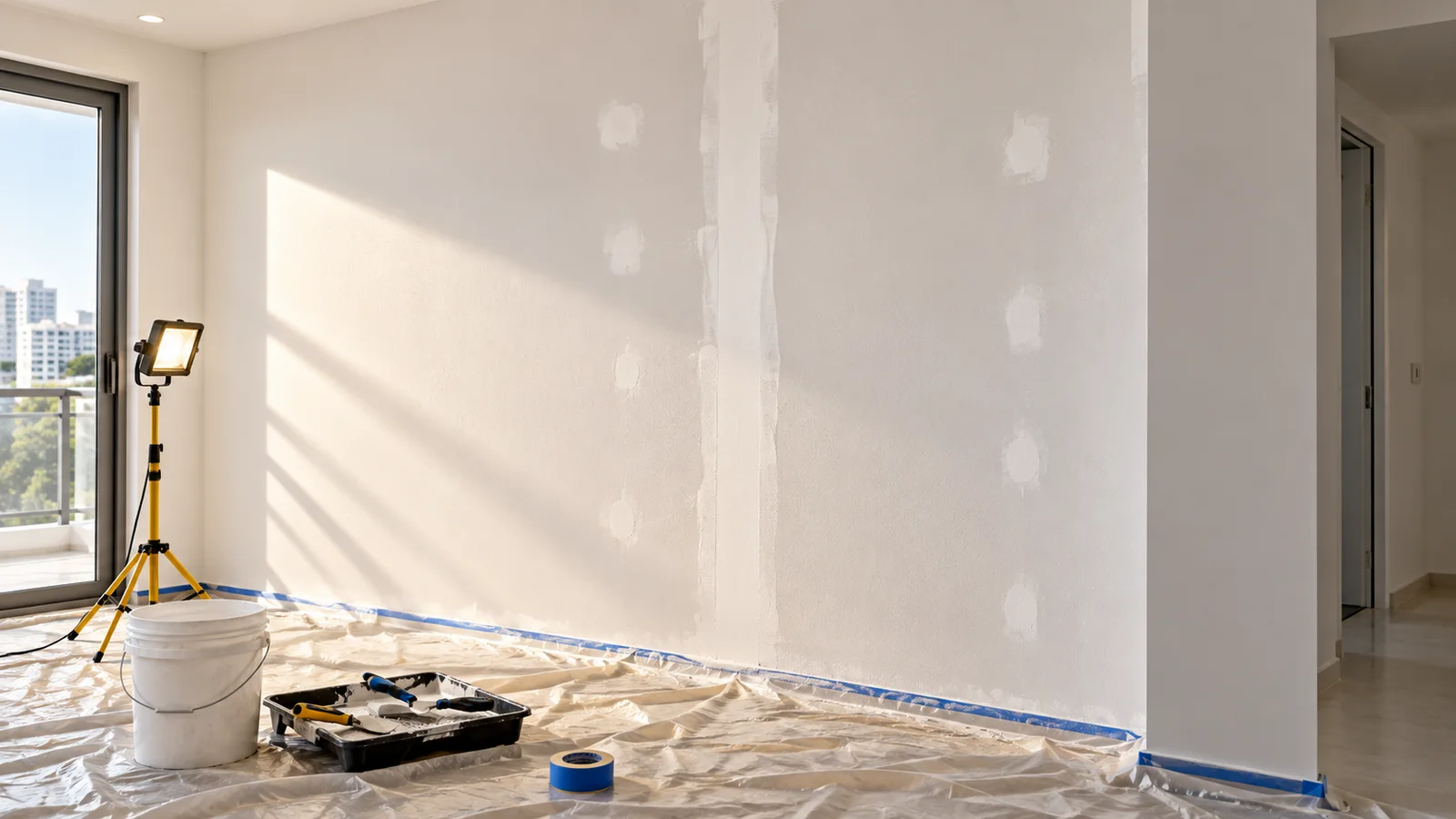
A stain, musty smell, softened board or bubbling near a crack changes the work order. Locate and resolve any leak or condensation, assess the affected materials and only then close the area. If the line appears beside an air conditioner, pipe or ventilation box, check fastening and the need for maintenance access. Avoid sealing a serviceable component under a thick patch. Wet rooms require particular system and finish decisions; the Or Akiva bathroom ceiling guide explains why choosing a moisture resistant sheet by name does not solve a water source. Drying the visible surface without checking what is behind it can leave an ongoing problem hidden by fresh paint.
4. Decide how much to open
Local cosmetic work can be appropriate when the cause is understood, the base is stable and only the finish is damaged. If the tape has lifted, the joint is hollow or the frame moves, coating the old material will not rebuild the detail. Agree which section will be opened, what will be inspected beneath it and how the hidden condition will be documented. Avoid uncontrolled removal of half a room, but do not request a price for only a thin line when the eventual finish may need to extend across a larger visible plane. Mark a provisional repair boundary on a photograph and agree a decision point after the first opening. That makes any extra work understandable before it is covered.
5. Understand screw or nail pops
A raised spot may be related to the fastener head, sheet movement or an improperly supported element. A dab of compound without checking the reason often leads to recurrence. After inspecting the connection, the contractor should choose a compatible way to restore fixing and finish under the selected system. The Gypsum Association's fastener pop guidance is a useful technical reference, not a diagnosis of your wall. Record the number and position of visible spots. A row of defects along a stud can justify assessment of a broader area rather than repeated isolated painting. Keep the before and after photographs with the material information.
6. Specify tape, compound and drying stages
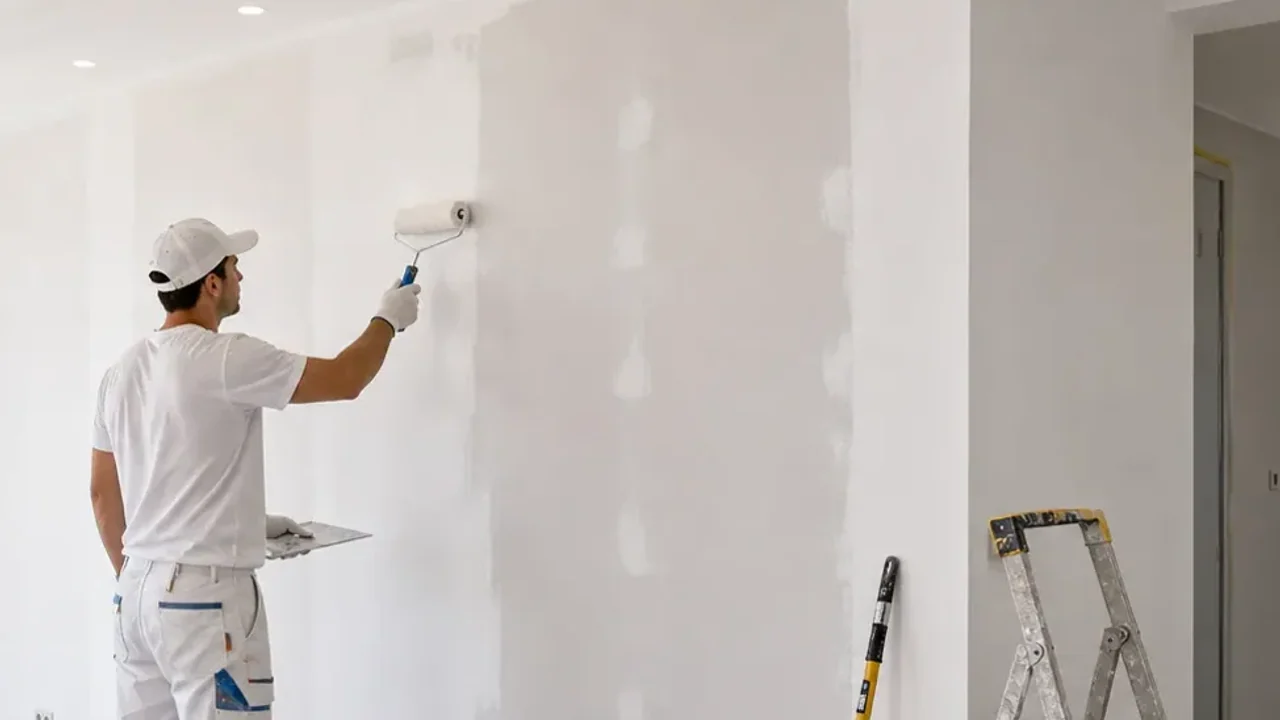
Durable joint work depends on sound edges, suitable material, tape placement, stages of compound application and drying conditions. A thick layer in one visit does not bypass material behaviour. Ask how loose old compound will be removed and where the new reinforced zone ends. If a contractor proposes a different treatment, request an explanation of its compatibility with the existing lining. The jointing and painting guide separates rebuilding a joint from finishing an entire wall. Do not accept a still damp coat as a completed painted result. Agree what happens if the first opening reveals missing support, an old repair layer or an active source of movement.
7. Inspect under the lighting that shows the defect
A tall window or LED line in a new apartment can reveal a patch that looks perfect under general work lights. Even a sound joint may differ from the surrounding plane in texture, primer absorption and paint shade. Show the contractor the lighting that reveals the original defect before accepting a price. Sometimes a visually even result needs finishing across a wider area rather than a narrow painted stripe. The surface finish levels guide provides vocabulary for the desired appearance. The measured crack length and the paintable wall area are different quantities; a quote that includes only the first may not deliver the requested result in everyday light.
8. Read separate rates in their proper units
NikoGips published reference rates on 18 October 2026:
| Work | Range | Unit |
|---|---|---|
| Crack repair | ₪108–264 | Per linear metre |
| Joint taping | ₪38.4–78 | Per m² of agreed scope |
| Primer | ₪19.2–38.4 | Per m² if separate |
| Interior wall paint | ₪54–114 | Per m² if separate |
| Builder touchups package | ₪2,160–10,200 | Per project, different scope |
A whole project package is not automatically added to one crack. Check inclusions against the current schedule before ordering work.
9. Calculate one wall example
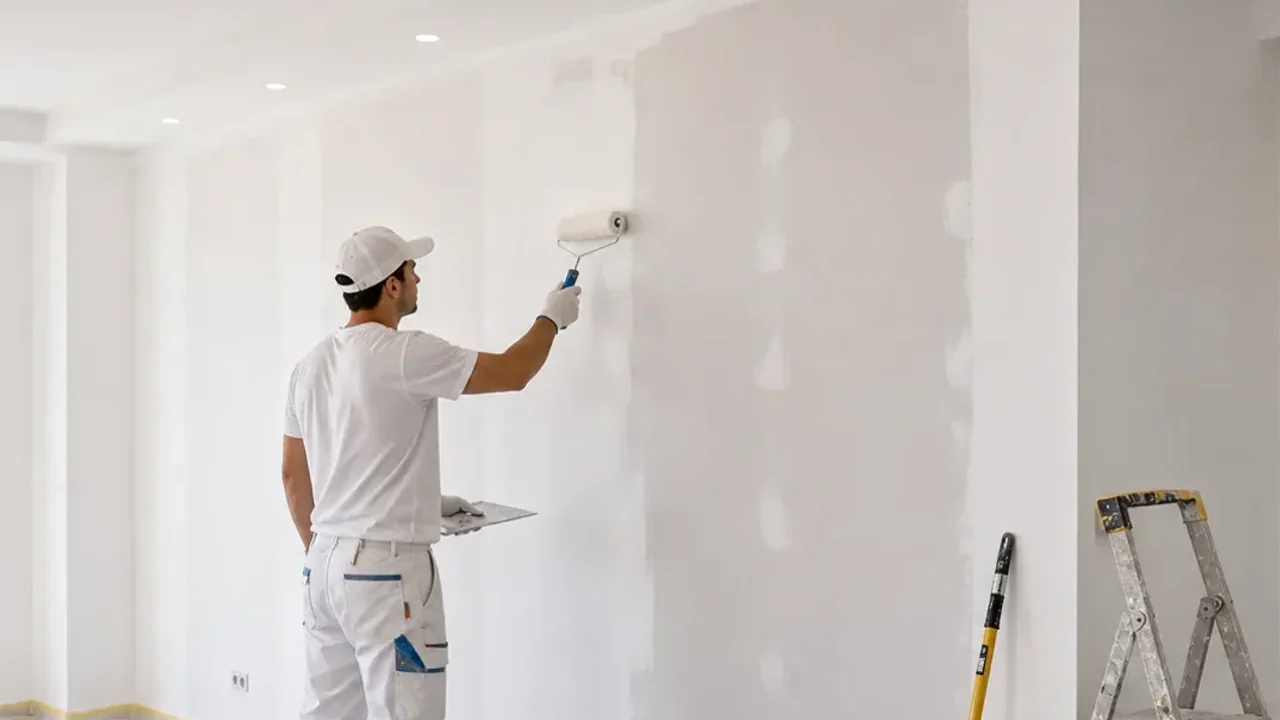
If inspection supports six linear metres of local crack repair, that schedule item gives 6 × ₪108–264, or ₪648–1,584. It is not a price for a fully finished wall. Opening a failed joint, renewing tape, priming, repainting the full visible plane, protecting furniture and checking the cause may be additional agreed work. Do not add the jointing rate for every square metre if the same operation is already included in the crack repair line. Nor is the builder touchups package at ₪2,160–10,200 the same unit as a metre of crack: it covers a different list of defects. Ask for the exact length repaired and area repainted. A clear measured scope prevents both omitted work and duplicate charges.
10. Compare options tied to the observed cause
Ask for a local repair option where the base proves stable and an expanded option if opening reveals a failed joint. Describe the condition that triggers each price change and who authorises the wider work before closure. A usable quotation names preparation, length, finish area, materials, protection and paint. The phrase 'all cracks' without a room list makes handover difficult. The drywall renovation budget guide helps reveal exclusions. If the building handover process remains relevant, keep the original photos and inspection notes before changing the visible defect. A contractor should not imply that a cosmetic price certifies the substrate as structurally sound.
11. Inspect after drying in normal use
After the specified drying time, look at the repair in the light used every day and inspect its edges, texture and colour. Compare the finished area with the recorded scope and photographs of any concealed joint. Confirm the door works and any water or movement cause was reviewed by the responsible specialist. If movement remains active, an attractive patch does not prove the defect will never reappear; agree a monitoring record and how recurrence will be evaluated. Keep product information, images of hidden stages and the acceptance list. These records help with later decoration or sale. Avoid asking a finisher to guarantee that every future line in a new apartment will be impossible under all conditions.
12. Prepare a Harish repair enquiry
Send the city and neighbourhood, apartment handover date, photos of each whole room and close views with a ruler. Estimate crack lengths and describe when they appeared, any moisture, earlier repair and the lighting that makes them visible. Explain whether repainting an entire wall is desired. Harish crack repair is a direct assessment route. When defects span several rooms, skim and paint renovation can be assessed as a separate package with a defined checklist. An on site assessment should distinguish finish work from a cause that requires a different specialist and state the intended repair boundary before a final price is agreed.
Questions
What does crack repair cost?
The 18 October 2026 reference is ₪108–264 per linear metre for the local item; wider finishing may be separate.
Why can a crack return?
Possible causes include movement, a failed joint and moisture; establish the cause before refilling.
Can a hairline simply be painted?
Check the cause first; paint cannot restore loose tape or a moving frame.
What should be done before work in a new flat?
Photograph, date and record the defect and preserve relevant handover papers.
Must the whole joint be opened?
The boundary follows inspection; loose tape can require more than a surface stripe.
Why does the new paint look different?
Side lighting, texture and the age of existing coating reveal local repairs.
Is a builder package the same as crack pricing?
No. ₪2,160–10,200 per project refers to a separately agreed wider scope.
What if there is a damp stain?
Locate and resolve the moisture cause, then evaluate affected lining.
Who assesses possible building movement?
A suitably qualified specialist; a finishing quote is not a structural assessment.
What should I send from Harish?
Room and detail photos, measurements, history, moisture information and desired finish.
Relevant services
Guides and practical notes
Message Nikolai on WhatsApp with photos and dimensions, or call him to discuss the next step and what is needed for an estimate.